How a Vienna-based master watchmaker rejected industrial precision to launch a cult Gothic horology brand—handcrafted, slow-made timepieces that transform time perception into spiritual rebellion. Discover artisanal luxury redefined.
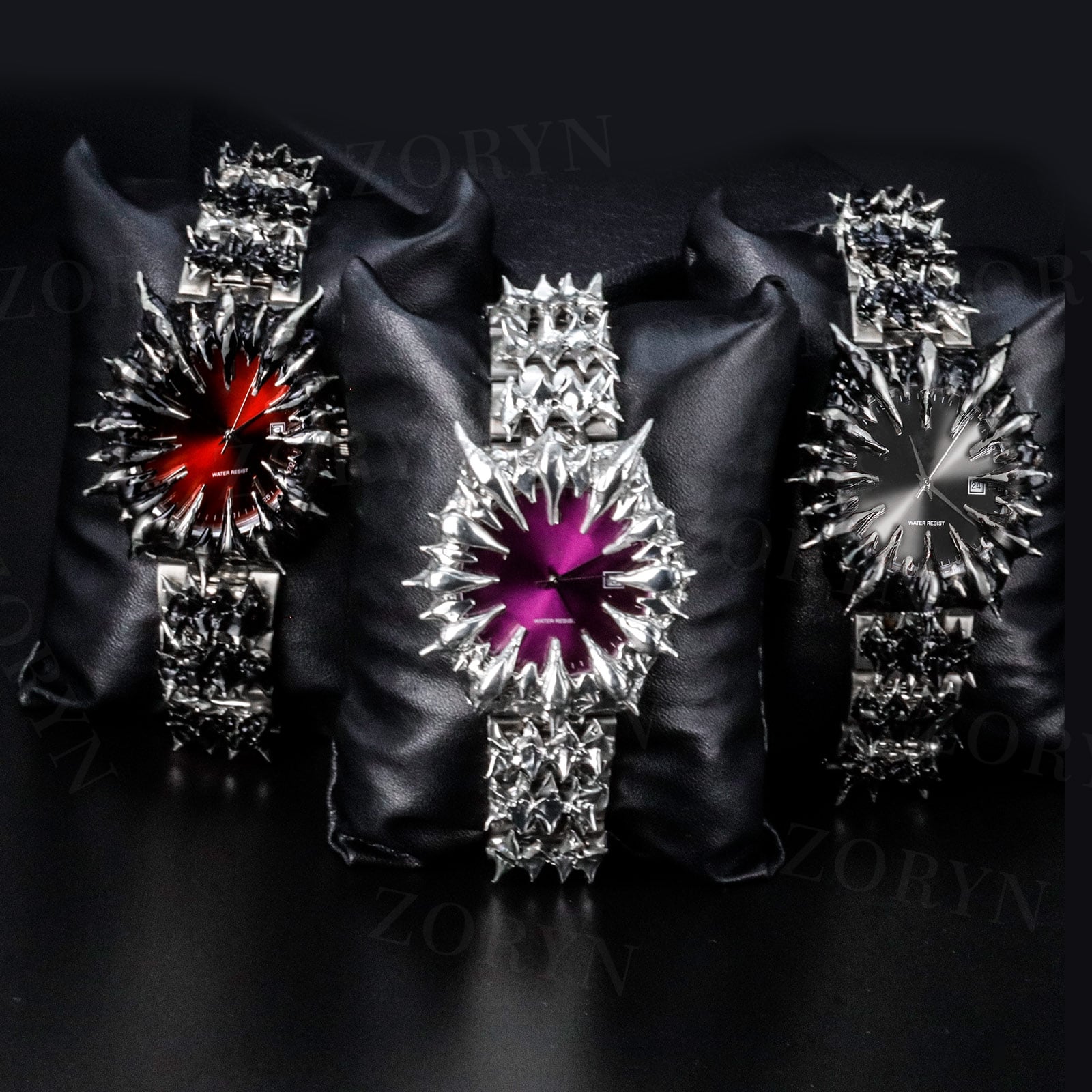
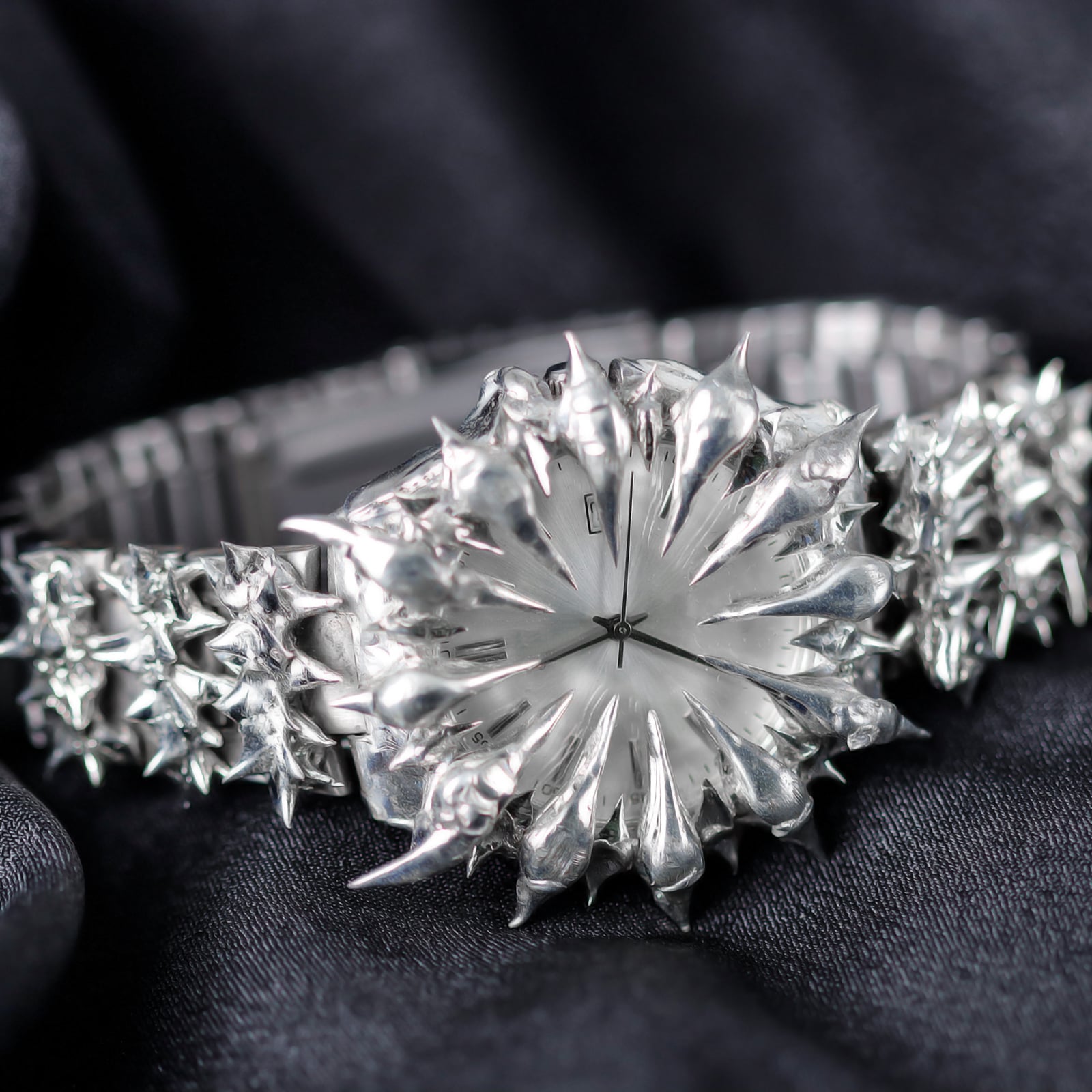
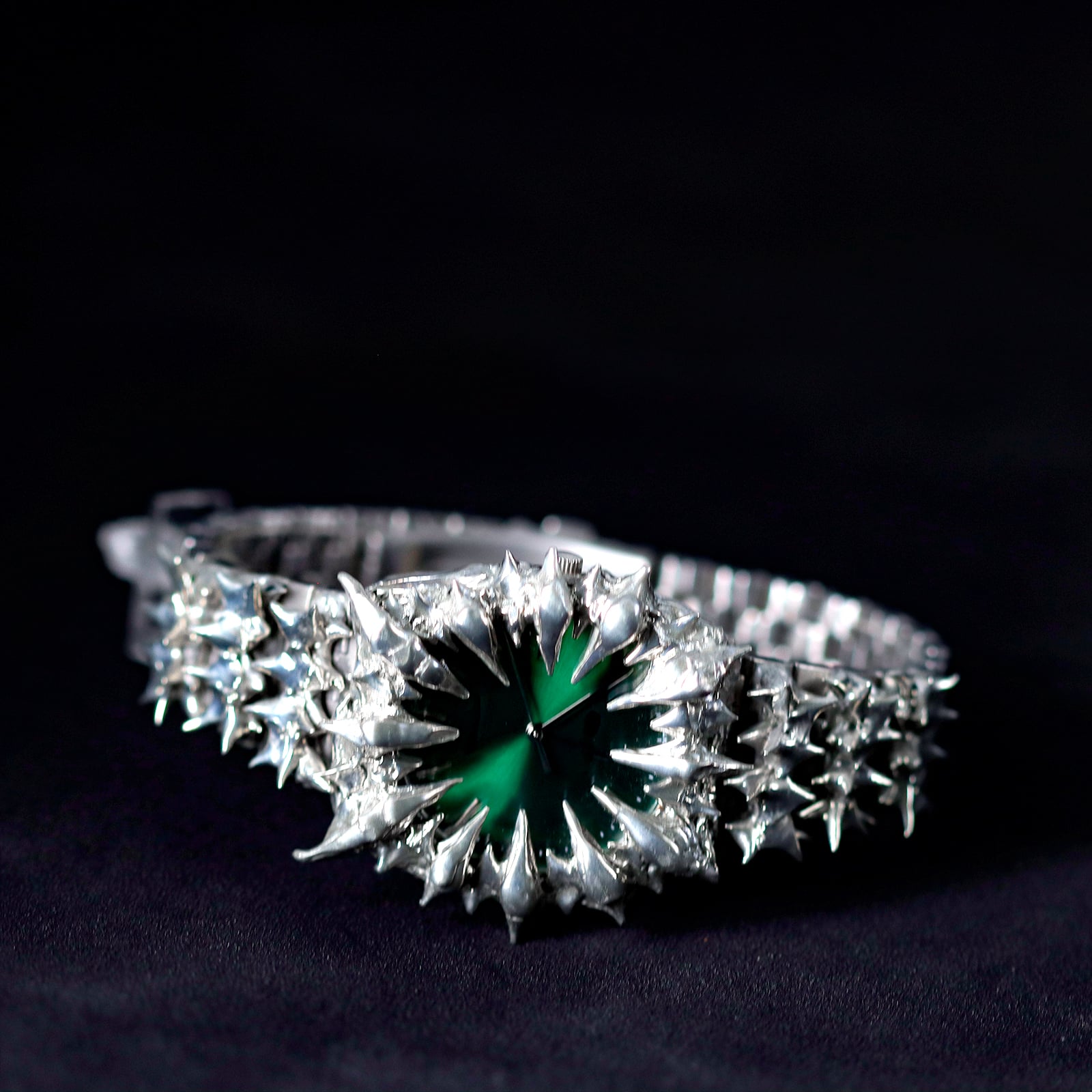
With over a decade of experience restoring ancient timepieces, Klaus had grown weary of the rigid precision of industrialized watchmaking. In that moment, he resolved to break the chains. He dismantled three antique watches, melted down the solder scrap, and created his first Solder Dragon Scale Watch. Its case echoes the pointed arch contours of Gothic cathedrals, with tiny black onyx inlaid in the solder spires—like starlight peeking through the cracks of tombstones. The red-glazed dial is crafted with an ancient secret firing technique, its hue mirroring the somber depth of Gothic stained glass. There are no hands at its center, only a curved silver thorn that weaves through the spires with every passing moment.
The piece sparked fierce debate on niche forums, yet it struck a chord with Gothic enthusiasts and rebellious souls alike. His first customer was a desert trekker, who waited three weeks for the watch before crossing the uninhabited Sahara. In the photo he sent back, sand and wind clung to the watch’s spires, with a note scrawled below: Its cold rigidity is my armor against loneliness.
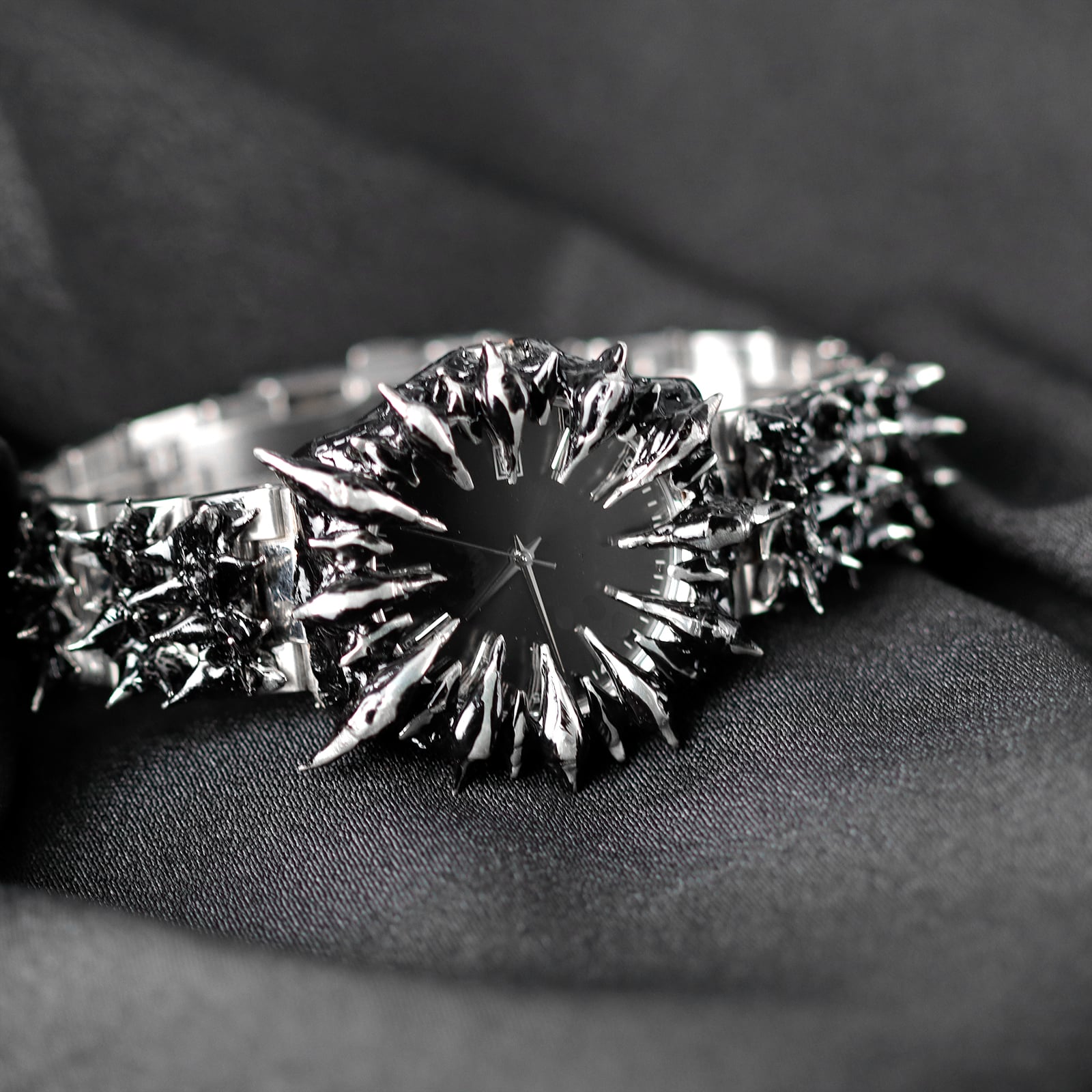
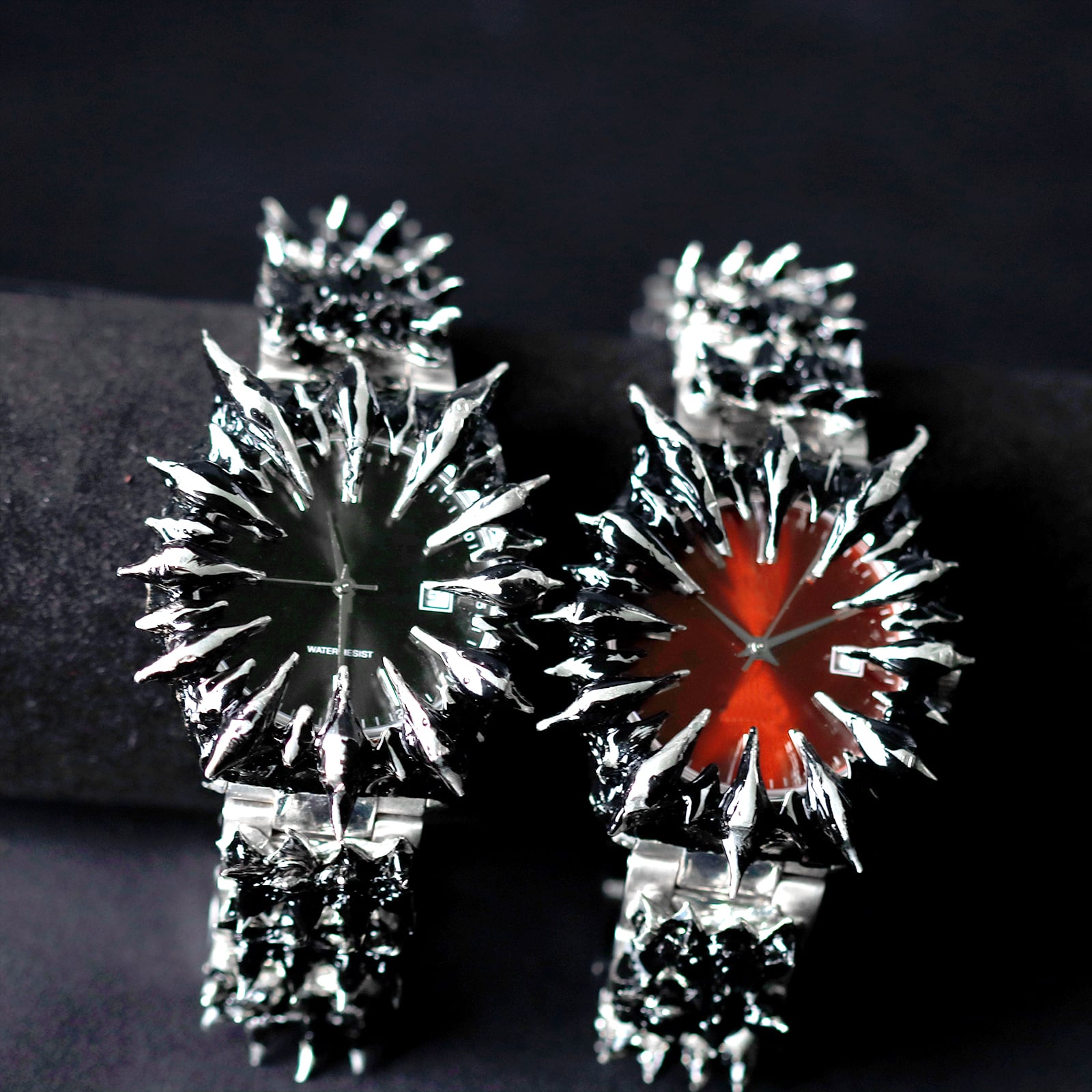
Klaus refused all mass production and moved his workshop to the edge of Vienna’s Old Cemetery. Every order demands a three-week wait: The speed at which solder cools is the slowness time ought to have. Gesturing to the tombstones outside his window, he explains the profound meaning behind the spires and Gothic design: Gothic time is never just numbers. It is the sting of a spike pricking the skin, the trail of a thorn across a watch face—when you can truly feel it slipping away, you learn to cherish the warmth of your own breath.
This watch soon became a symbol of wild timekeeping in niche circles, and even an unofficial pass for Gothic lovers’ underground cemetery gatherings. Some tuck it beneath their suit cuffs, letting the cold glint of the Gothic thorn push back against the rigidity of corporate life; others take it to the sea, letting the salt wind rust the spires, leaving behind the patina of time.
They wear it while reading Baudelaire in the cemetery, the Gothic openwork of the watch chain occasionally catching on black veils—like bloodstains seeping from time itself. Beneath the cuffs of black robes, the soft clink of the watch’s spires against silver jewelry is a quiet whisper of spiritual rebellion. One enthusiast put it best: Most watches urge you to chase time. This one lets you feel it—to live with the cold sharpness and unyielding edges of Gothic.
Thus the brand was named Bonespike Horology: Bones for the mortal remains of time, Clock for the perception of the present, Spike for an uncopyable edge. Klaus set a sacred rule: every watch, upon completion, must rest on a tombstone for one night—let it breathe in the reaper’s air before it clings fast to the living’s wrists. Later designs added more Gothic details: bat-shaped clasps, and the Latin phrase Tempus edax rerum (Time devours all) engraved on the case back, echoing the inscriptions on the ancient tombstones outside.
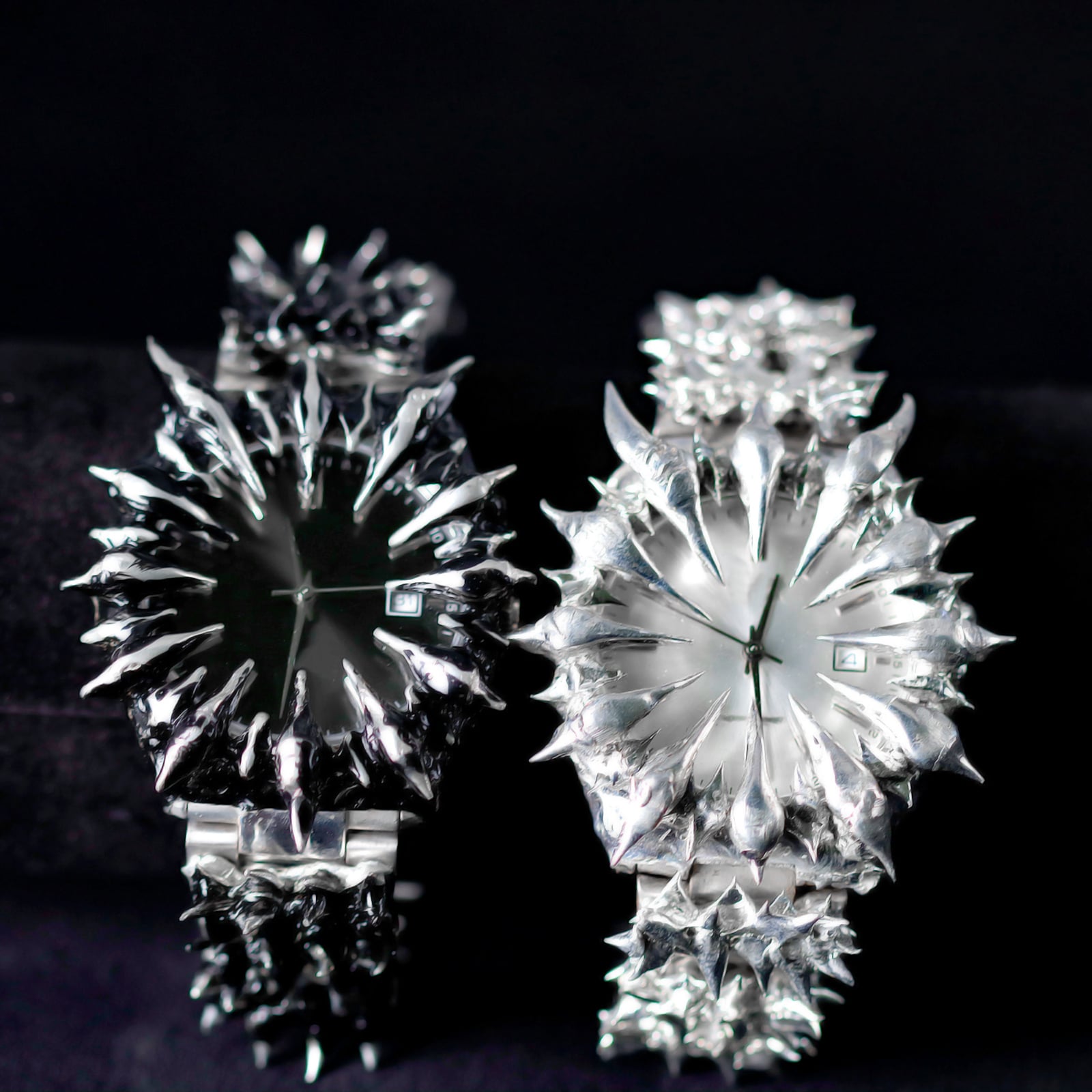
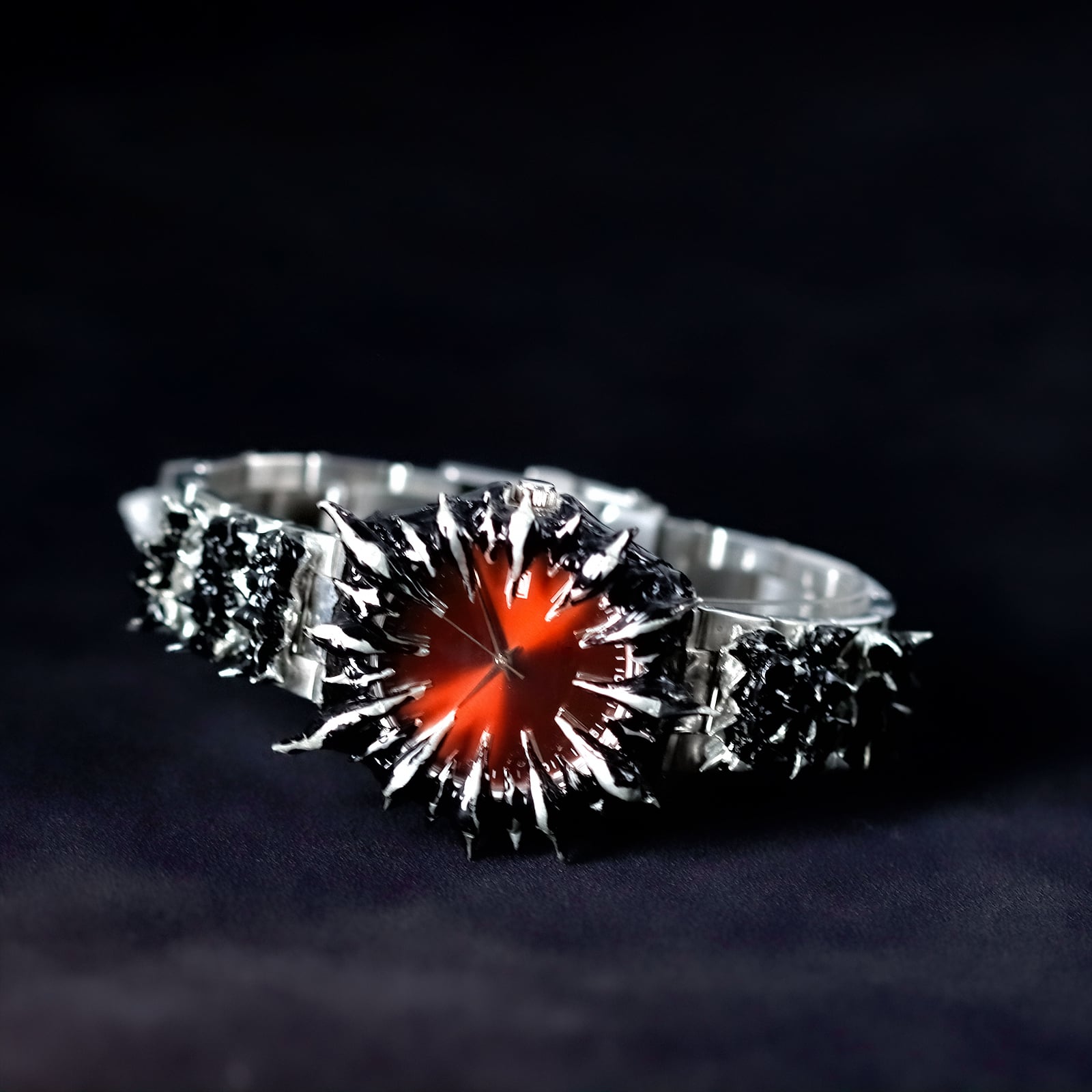
When asked if he fears his style is too niche, Klaus is often found leaning over a workbench, a soldering torch in hand, shaping a bat clasp as fire glints in his eyes. I only want to make a Gothic watch for those who refuse to be tamed by time, he says. Every spike, every pattern is one of a kind—just like every person’s time, which ought to have its own cold, uncompromising shape.
On the workshop wall, the desert trekker’s photo hangs beside the first antique watch Klaus ever restored. Every so often, the sharp fizz of a soldering torch cuts through the quiet, molten solder dripping down and hardening into spires—undefined symbols of time, growing silently in the rhythms of Vienna’s days and nights.
 EN
EN